Canada's Largest Selection - Free Samples - Same Day Shipping, Order by Noon*
Canada's Largest Selection - Free Samples - Same Day Shipping, Order by Noon*
Canada's Largest Selection - Free Samples - Same Day Shipping, Order by Noon*
 Visit USA shop

April 2nd is World Autism Acceptance and Awareness Day!
According to Autism Canada (2024), approximately 1 in 50 Canadians are on the autism spectrum[1]. That amounts to hundreds of thousands of individuals across the country. In honour of this month of awareness, Healthwick would like to share some insight and suggestions when it comes to managing incontinence in adults with autism.
To read about incontinence care in children with autism, check out our previous article about this here.
Autism Spectrum Disorder (ASD) is a neurodevelopmental condition affecting communication, social interactions, and behavior. It often coexists with medical issues like epilepsy, sleep disorders, and gastrointestinal problems, as well as mental health challenges such as anxiety and depression. The "spectrum" reflects the varying severity and traits among individuals, with each person experiencing ASD uniquely[2].
Sensory issues - Sensory challenges are common in autism, with individuals experiencing hypersensitivity or hyposensitivity to stimuli. Hypersensitivity can make using the toilet overwhelming, from clothing changes to flushing sounds, while hyposensitivity can lead to difficulties sensing the need to urinate. As a result, some individuals may prefer absorbent products as part of a consistent and predictable routine[3].
Body awareness (interoception) - Interoception is the body's ability to sense internal signals like hunger, heart rate, and digestion. Autistic individuals may have difficulty processing these cues, leading to challenges with recognizing discomfort, bodily needs, or emotions. This can contribute to issues like constipation, pain misinterpretation, or difficulty identifying feelings until they become more intense[4].
Stress and anxiety - In individuals with ASD, stress and anxiety can exacerbate incontinence issues by disrupting the body’s ability to recognize or respond to bladder signals.
Although the types of incontinence vary for each individual, these are the most common forms[5]:
Urge Incontinence - With urge incontinence, individuals experience a strong, urgent need to urinate that leads to bladder leakage. This condition is typically linked to bladder spasms or overactivity.
Functional Incontinence - Functional incontinence occurs when a person cannot reach the toilet in time due to physical, cognitive, or environmental barriers, rather than a bladder or bowel issue. This can be caused by mobility limitations, neurological conditions, or difficulties in communication and awareness.
Nocturnal enuresis (Bedwetting) - Nocturnal enuresis, or bedwetting, is the involuntary leakage of urine during sleep. It can occur at any age due to factors such as deep sleep patterns, delayed bladder signaling, or underlying medical conditions.
Speak to a medical professional - If you or a loved one is on the autism spectrum and experiences incontinence, seeking support from healthcare professionals is crucial. They can help diagnose the condition, identify the type of incontinence, and provide a personalized management plan.
Creating a Comfortable Routine - A consistent routine with regular bathroom times, familiar settings, and preferred products can help make incontinence care more manageable. Reducing sensory triggers like noise or lighting can further support comfort and build confidence over time.
Find and provide support - Apart from medical advice, finding support from family, friends, and support groups is essential. Sharing personal experiences can encourage the exchange of helpful information and help create a more open and supportive environment around incontinence care.
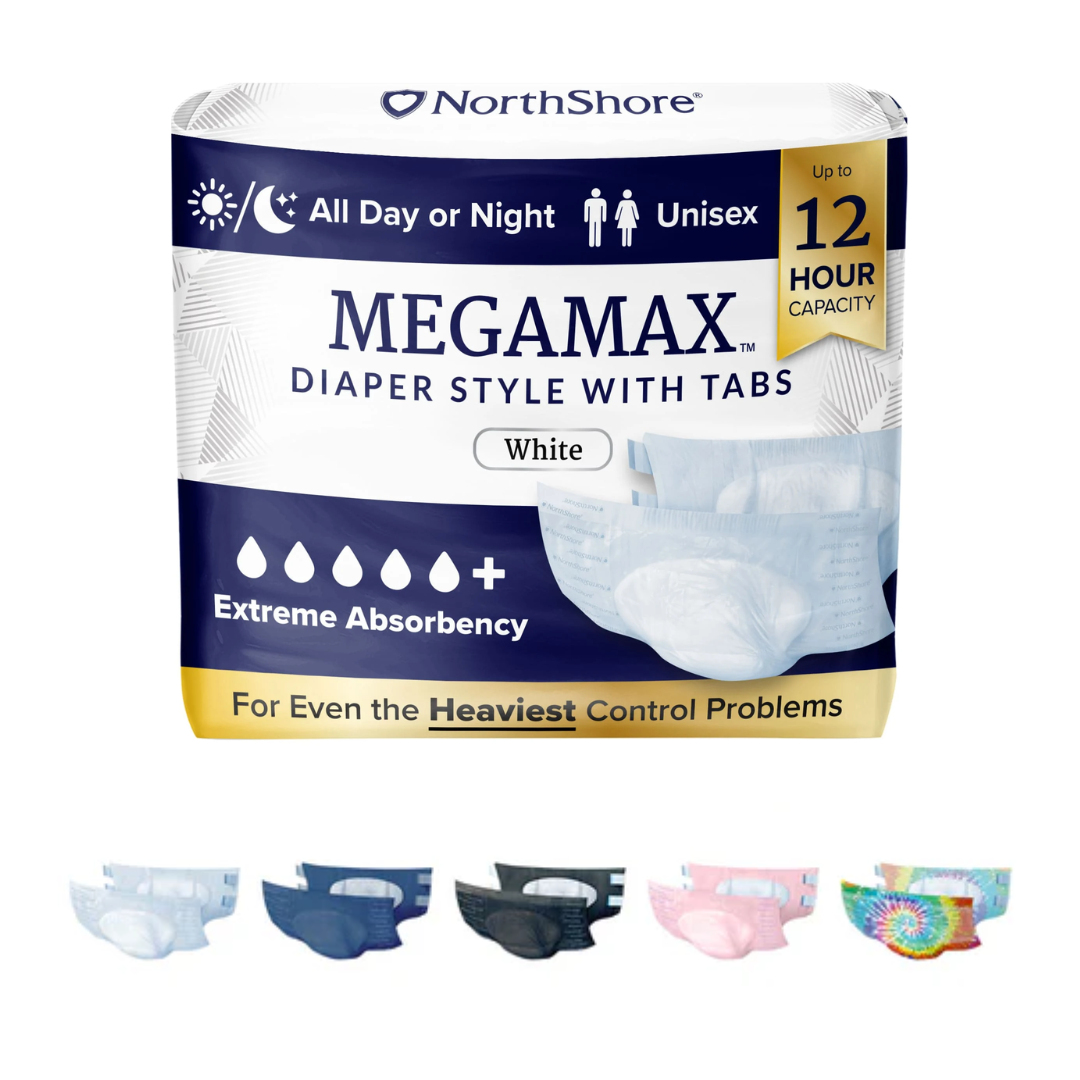
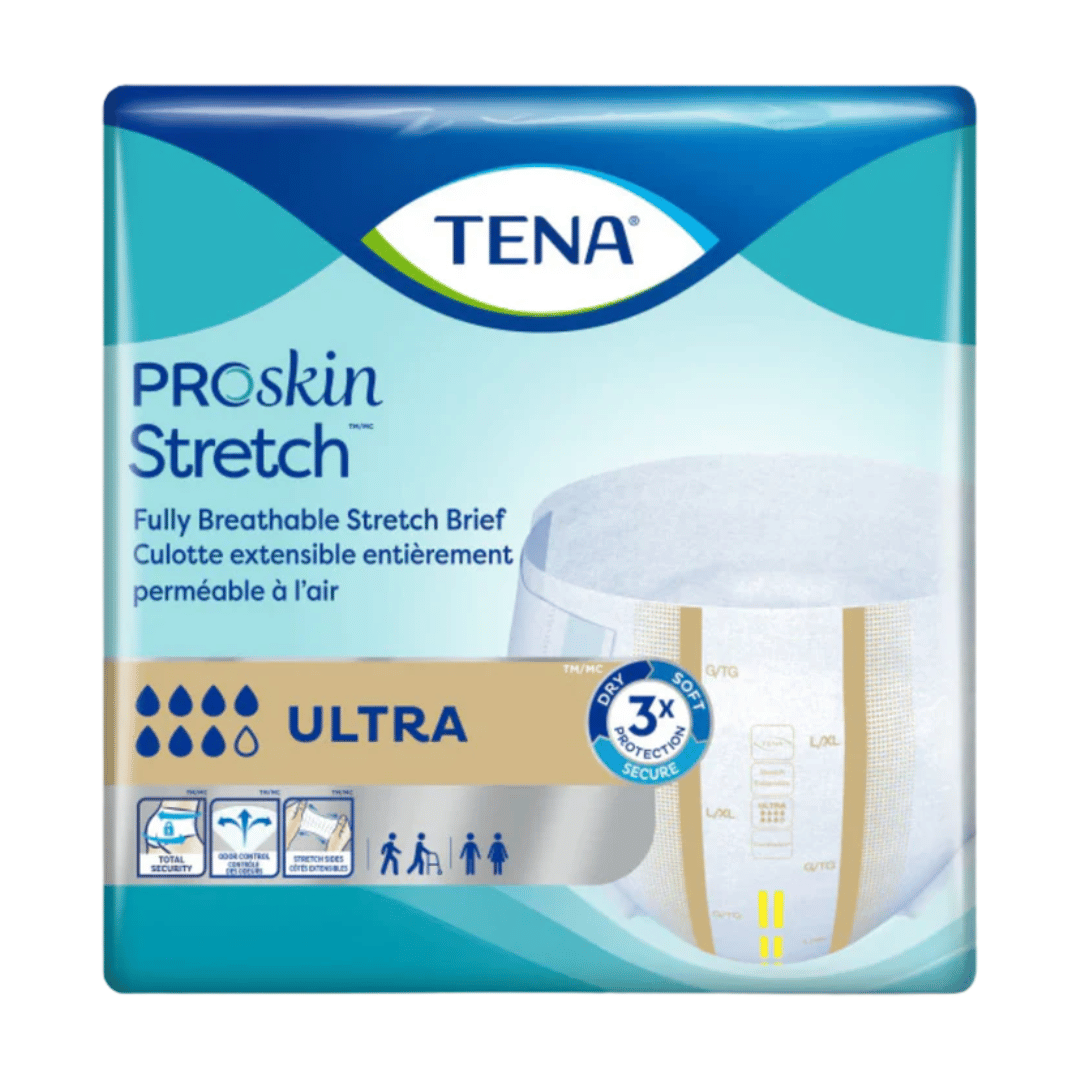
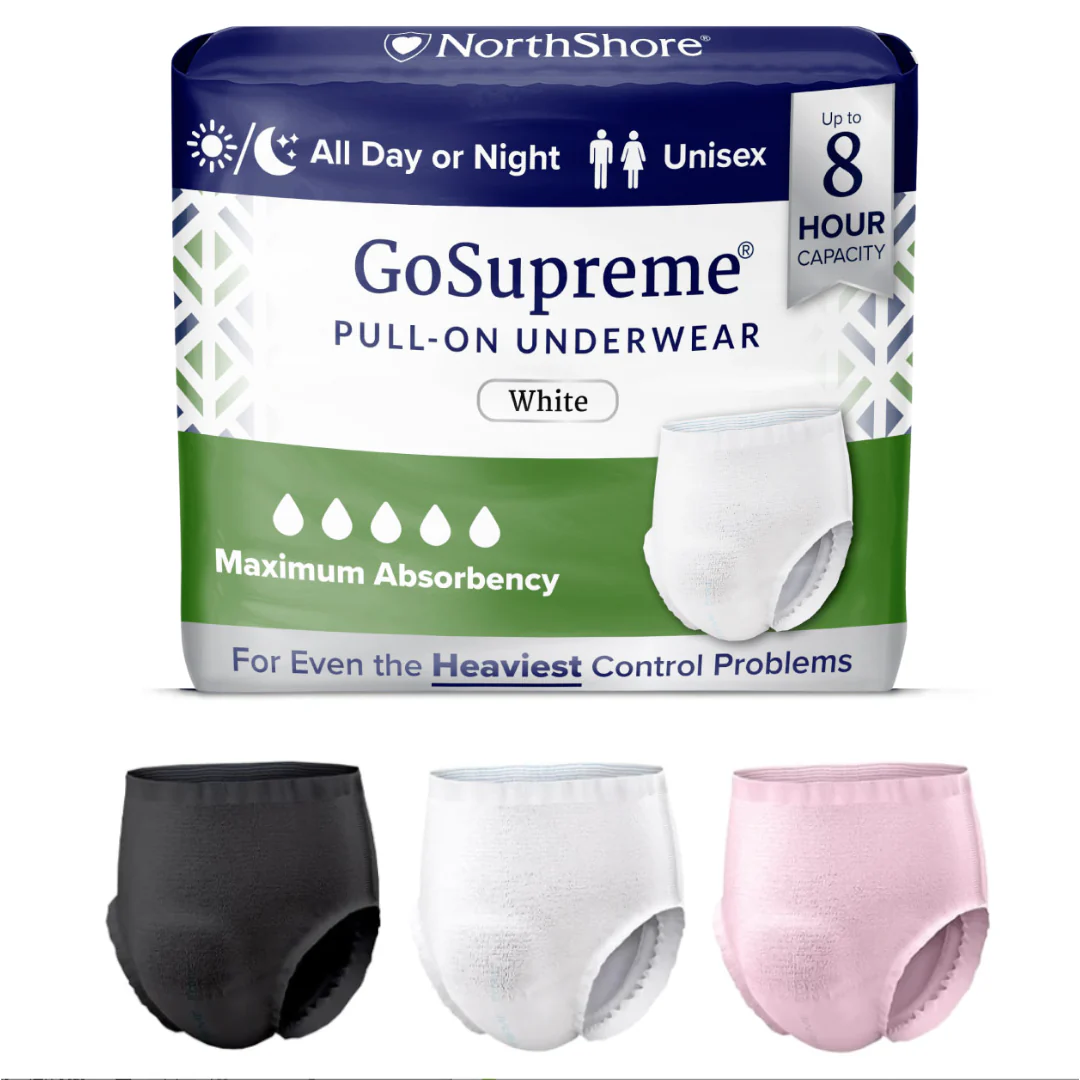
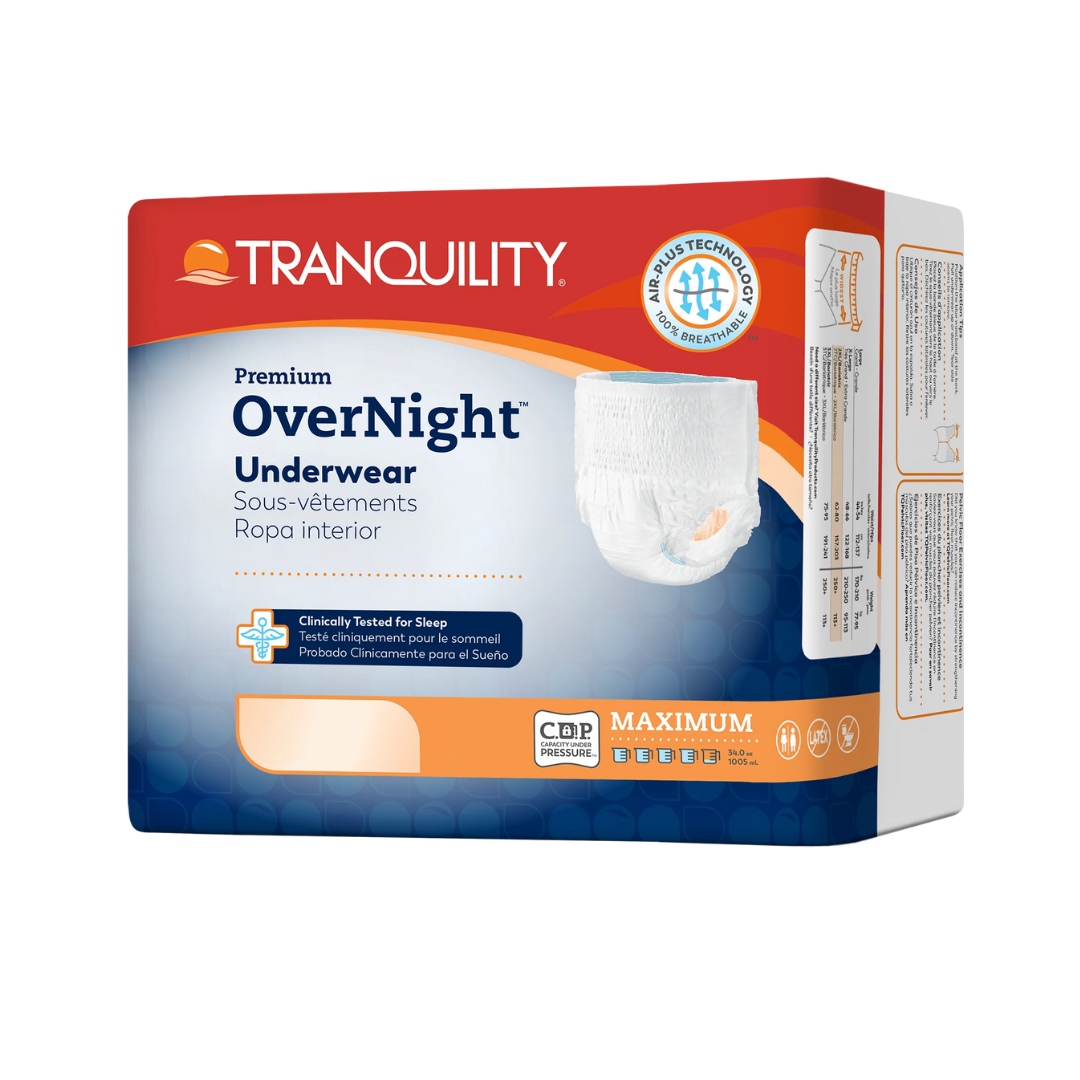
Choose the right incontinence products - At Healthwick, we take pride in offering the largest selection of incontinence products in the country that can support a wide range of needs and preferences. Here are some of our top recommendations:
 |
 |

|
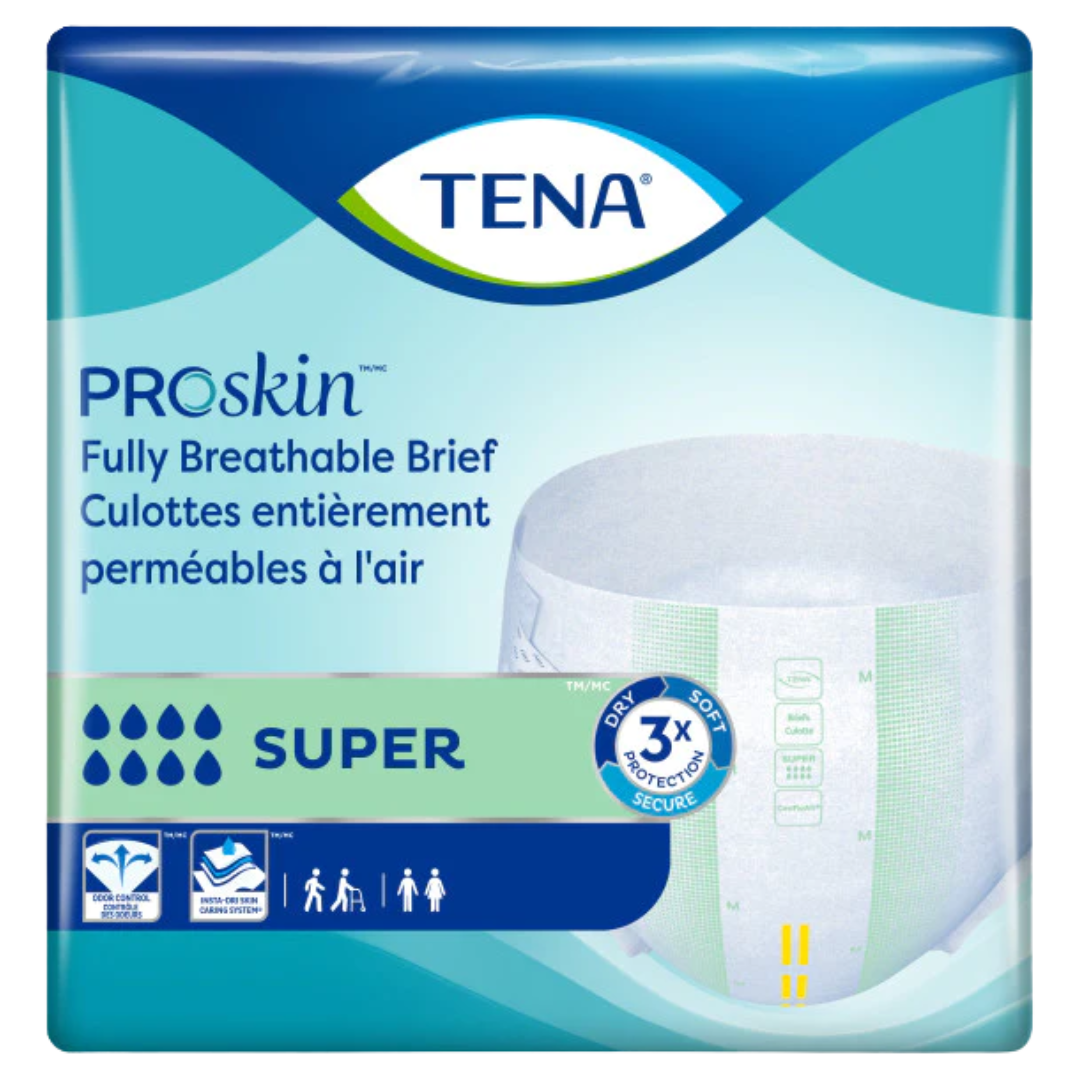
| NorthShore GoSupreme Underwear | Attends Premier Underwear | TENA ProSkin Super Briefs |
 |
 |
 |
| Prevail Air Overnight Stretchable Briefs | Tranquility Premium Overnight Underwear | Because Premium Overnight Plus Underwear |
 |
 |
 |
| Tranquility Heavy-Duty Underpads | TENA Extra Underpads | Peapod Mats |
 |
 |
 |
| Tena ProSkin Barrier Cream | NorthShore Supreme Quilted Wipes | Because No-Rinse Cleansing Spray |
At Healthwick, we hope to provide the best support in addressing everyone’s incontinence needs. For any product or service queries feel free to contact our exceptional customer service team here.
Happy World Autism Month!
This information is not meant to replace professional medical advice, diagnosis, or treatment. Always consult with a doctor or qualified healthcare provider for any medical concerns or questions.
References
[1] https://www.autismcanada.ca/
[2] https://www.autismcanada.ca/history-of-autism
[3] https://www.northshorecare.com/blog/managing-incontinence-with-autism
[4] https://autismawarenesscentre.com/interoception-and-autism-body-awareness-challenges-for-those-with-asd/
[5] https://aeroflowurology.com/blog/adults-autism-incontinence